 [en]
[en]
A couple of years ago I started to write this short essay on the inner motivations and the addiction to production. At that time the environmental problem was already full-blown, but the crisis of energy sources which will be with us for a long time wasn’t felt yet.
I asked myself what the psychological roots would be and what conditioning was at the base of the addiction to production in the West, exported thereafter around the whole planet.
The origins of the compulsion for production and the resulting devastation of the planet date back to the interpretation of the messages spread by religions, particularly the Judaeo-Christian religions.
Christianity propagates messages regarding original sin and the impossibility of reaching the divine in human form. Those and other messages produce psychic double binds, like short circuits.
The only way out for human beings was to redeem themselves, re-creating heaven on Earth through “virtuous” acts, ruling over nature for this purpose, as authorized by the Bible itself.
Religious statements made a sense originally as tools for the spiritual path, but those messages have been misunderstood by the ego in other ways.
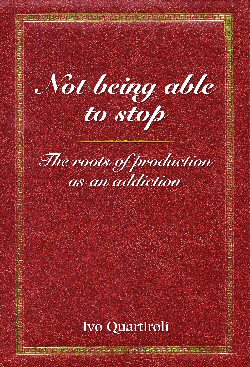
Since this article is quite long, is available as a free e-book which can be downloaded clicking on the cover.
[/en][it]
Avevo iniziato a scrivere questo breve saggio sulle motivazioni interiori che stanno alla base della dipendenza a produrre due anni fa. Il problema ambientale era già conclamato ma ancora non si avvertiva la crisi delle fonti energetiche che ci accompagnerà per lungo tempo.
Mi sono interrogato sulle radici psichiche e sui condizionamenti alla base della dipendenza a produrre in occidente, poi esportata in tutto il pianeta.
Le origini della dipendenza a produrre e della conseguente devastazione del pianeta risalgono all’interpretazione dei messaggi diffusi dalle religioni, in particolare della tradizione giudaico-cristiana.
Il cristianesimo ha propagato i messaggi concernenti il peccato originale e all’impossibilità di raggiungere il divino in forma umana. Questi e altri messaggi hanno prodotto dei doppi vincoli psichici, dei corti circuiti.
 L’unica via d’uscita per l’essere umano era rimasta quella di riscattarsi ricreando il paradiso in terra, tramite azioni “virtuose” e dominando la natura a questo scopo, autorizzati dalla Bibbia stessa a utilizzare la natura per i fini umani.
I messaggi della religione avevano un senso originario come strumenti per la ricerca spirituale, ma tali messaggi sono stati interpretati sul piano dell’ego nei modi che questo poteva.
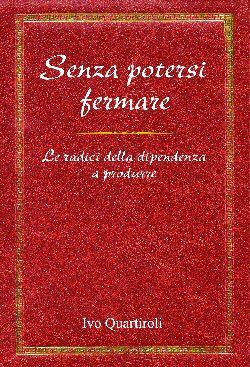
Poiché l’articolo è piuttosto lungo, l’ho impaginato in forma di e-book gratuito che si può scaricare facendo clic sulla copertina.
[/it]